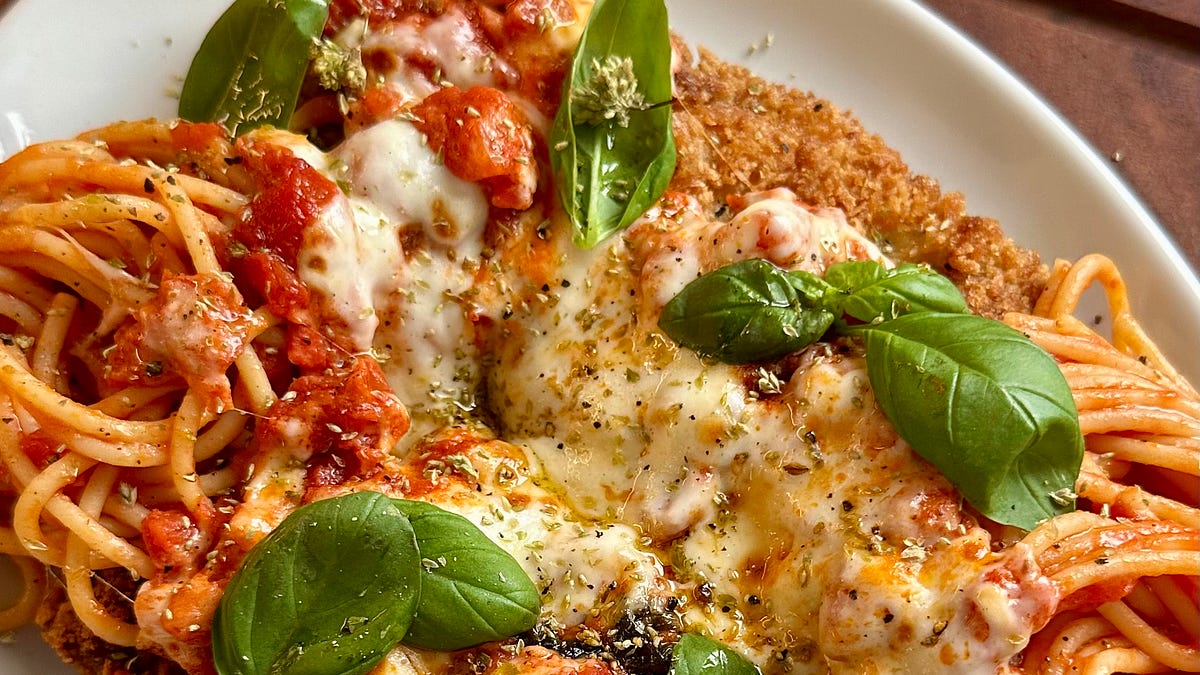
Few dishes evoke the comfort and joy of Italian-American cuisine quite like chicken parmesan. It’s a culinary masterpiece that consistently tops the list of non-pasta favorites in restaurants across the globe. Yet, for all its deliciousness, many home cooks (and even some professional kitchens) struggle with a common pitfall: the dreaded soggy chicken. That perfectly breaded cutlet, meant to be a beacon of crispy perfection, often succumbs to a deluge of sauce and cheese, transforming into a sad, soft mass. But what if we told you that achieving a truly crispy, melt-in-your-mouth chicken parmesan at home is not only possible but surprisingly easy? This comprehensive guide will reveal the secrets to a non-soggy chicken parmesan, allowing you to recreate a restaurant-quality experience in your own kitchen.
The Allure of Homemade Chicken Parmesan
Why bother making chicken parmesan at home when it's so readily available? The truth is, homemade often surpasses restaurant versions, precisely because you have control over the critical elements that prevent sogginess. Many establishments, in an attempt to be generous, inadvertently drown the chicken in an excessive amount of sauce and cheese. While tempting, this abundance often sacrifices the delightful textural contrast that makes chicken parmesan so universally beloved – that interplay between a shatteringly crisp exterior and tender, juicy chicken within. Our method prioritizes that crunch, ensuring every bite is a revelation. So, how do we conquer the soggy chicken parmesan?
The Core Secret: Building a Crispy Foundation for Your Chicken Parmesan
The journey to crispy chicken parmesan begins long before it ever sees the oven. It's about meticulous preparation, understanding the role of each ingredient, and executing precise techniques. Think of it as building a sturdy, delicious fortress for your chicken.
Pounding for Perfection: Even Thickness, Even Cook
One of the foundational steps, often overlooked, is properly preparing your chicken breasts. Boneless, skinless chicken breasts are typically thicker at one end and thinner at the other. To ensure even cooking and prevent dry spots, you must pound them to a uniform thickness. Aim for about a 1/2-inch thickness throughout. This isn't just about cooking; a thinner, flatter cutlet also offers more surface area for that glorious breading, maximizing crispiness. Use a meat mallet or a heavy rolling pin between two sheets of plastic wrap to prevent tearing and mess.
Seasoning: The Flavor That Elevates
Don't be shy with seasoning! A generous application of salt and freshly ground black pepper directly onto the pounded chicken cutlets is crucial. This is where the primary seasoning for the chicken itself comes from. Interestingly, there's no need to heavily salt your flour and breadcrumbs if your chicken is well-seasoned, as this can lead to an overly salty crust. This initial seasoning penetrates the meat, ensuring flavor in every bite.
The Golden Crust: Panko and Parmesan Power
Here’s where a significant secret to achieving an incredible, non-soggy crust truly comes into play: the breading.
- Panko Breadcrumbs: Ditch the fine, dusty traditional breadcrumbs. Panko, a Japanese breadcrumb, is specifically designed for superior crispiness. Its larger, flakier texture absorbs less oil and fries to an unbelievably crunchy finish.
- A Touch of Real Parmesan: Elevate your breading by incorporating finely grated Parmesan cheese directly into the panko. Not only does this infuse an extra layer of salty, nutty flavor, but as it fries, the Parmesan also helps create a more robust, crispier coating. This is a subtle yet impactful difference from versions that only use mozzarella.
- The Dredging Process: Create a classic breading station: flour, egg wash, and finally, the panko-Parmesan mixture. Ensure each cutlet is thoroughly coated at each stage, pressing gently to adhere the breadcrumbs.
- Rest Before Frying: This is a small but mighty trick. After breading, let your chicken cutlets sit on the counter for about 15 minutes. This allows the moisture from the chicken to be absorbed by the breading, helping it "set" and adhere more firmly. The result? Less breading falls off during frying, and a more uniform, crispier crust. For more specific expert guidance, you might find Chef's Top 6 Tips for Perfectly Crispy, Never-Soggy Chicken Parm particularly useful.
Frying to Golden Perfection
Pan-frying your breaded chicken cutlets is the next critical step. You're not looking to cook the chicken all the way through at this stage, but rather to achieve a beautiful golden-brown crust. Fry in a neutral oil (like canola or vegetable) over medium-high heat until both sides are a vibrant, appealing golden. This initial fry sets the crispness that will endure through the baking process. Once fried, transfer them to a wire rack set over a baking sheet to drain any excess oil.
The Sauce & Cheese Strategy: A Delicate Balance for a Non-Soggy Finish
This is arguably the most crucial area for preventing sogginess in your chicken parmesan. It's where many restaurant versions go wrong, and where you can truly distinguish your homemade masterpiece.
Strategic Sauce Application: Under vs. On Top
The cardinal rule for a crispy chicken parmesan: do not put sauce directly under the chicken cutlets on the baking pan. This is the primary culprit behind a soggy bottom. Instead, place your golden-fried cutlets directly onto the baking pan. Then, apply a modest amount of sauce only on top of each cutlet. This allows the bottom breading to remain exposed to the hot air of the oven, preventing it from steaming and turning soft. If you adore extra sauce (and who doesn't?), the solution is simple and elegant: serve additional warmed marinara sauce on the side for dipping. This empowers your guests to customize their sauce-to-chicken ratio without compromising the integrity of your crispy creation.
The Perfect Cheese Blend: Beyond Just Mozzarella
While fresh mozzarella is essential for its gooey, melt-in-your-mouth texture, true chicken parmesan benefits from a more nuanced cheese blend. Many versions neglect the namesake ingredient! Here's a winning combination:
- Fresh Mozzarella: Sliced or torn into pieces, this provides that iconic stretch and creaminess.
- Tangy Provolone: A thin layer of provolone adds a sharper, more complex flavor profile that beautifully complements the tomato sauce and chicken.
- Real Grated Parmesan: A sprinkle of actual Parmesan cheese over the top, in addition to the breading, provides another layer of savory depth and helps achieve that beautiful golden-brown crust as it bakes.
This trio ensures a harmonious balance of flavor and texture, creating a rich, cheesy topping without overwhelming the crispy chicken beneath.
Baking for Perfection: The Grand Finale to Crispy Chicken Parmesan
With your chicken breaded, fried, and strategically sauced and cheesed, the final step is baking. This stage brings everything together, melting the cheese, heating the sauce, and ensuring the chicken is cooked through while maintaining that coveted crispiness. For a detailed guide on making restaurant-quality chicken parmesan crispy at home, check out our article on Make Restaurant-Quality Chicken Parmesan Crispy at Home.
Hot, Hot, Hot Oven: The Key to a Flawless Finish
Preheat your oven to a blazing 450°F (230°C). A high temperature is absolutely critical. Why so hot?
- Quick Melt: It ensures the cheese melts and browns beautifully in a short amount of time.
- Crisp Revival: The intense heat helps to re-crisp the breading on top and keeps the bottom from getting soggy.
- Prevent Overcooking: Because the chicken was already partially cooked during frying, a short burst in a very hot oven allows the cheese to bubble and brown without overcooking and drying out the chicken breast.
Beyond the Recipe: Elevating Your Chicken Parmesan Experience
While the technical steps are crucial, remember that great food also comes from passion and quality ingredients. Consider these additional insights to truly master your homemade chicken parmesan:
- Quality Sauce: A truly vibrant chicken parmesan starts with a fantastic marinara sauce. Whether you make your own from scratch using ripe tomatoes and fresh basil or choose a high-quality store-bought option, ensure it's rich in flavor and not overly watery. A thick, concentrated sauce will adhere better and contribute less moisture to the breading.
- Fresh Herbs: A sprinkle of fresh basil or oregano after baking adds a burst of freshness and aromatic complexity that elevates the dish.
- Serving Suggestions: While classic pairing with pasta is popular, remember our goal: crispiness! Serving pasta on the side with extra sauce allows your chicken parmesan to shine as the star. A simple green salad with a light vinaigrette makes for a perfect, refreshing counterpoint.
- Don't Rush: Good food takes a little patience. Pounding, breading, and frying might seem like several steps, but each contributes significantly to the final, delicious outcome.
The universal love for chicken parmesan isn't just about its ingredients; it's about the symphony of textures and flavors it delivers – that satisfying crunch, the tender chicken, the rich sauce, and the gooey, melty cheese. It’s fatty, umami-licious, and utterly comforting, a truly holy grail of Italian-American cuisine.
Say goodbye to disappointing, soggy versions of this beloved dish. By adhering to these proven techniques – from evenly pounding your chicken and fortifying your breading with panko and Parmesan, to strategically applying sauce and baking in a scorching hot oven – you are now equipped to create a truly exceptional chicken parmesan. This isn't just a meal; it's an experience, a celebration of texture and flavor that you can proudly achieve in your very own kitchen. So gather your ingredients, follow these steps, and prepare to delight yourself and your loved ones with the crispy, flavorful chicken parmesan you've always dreamed of.
