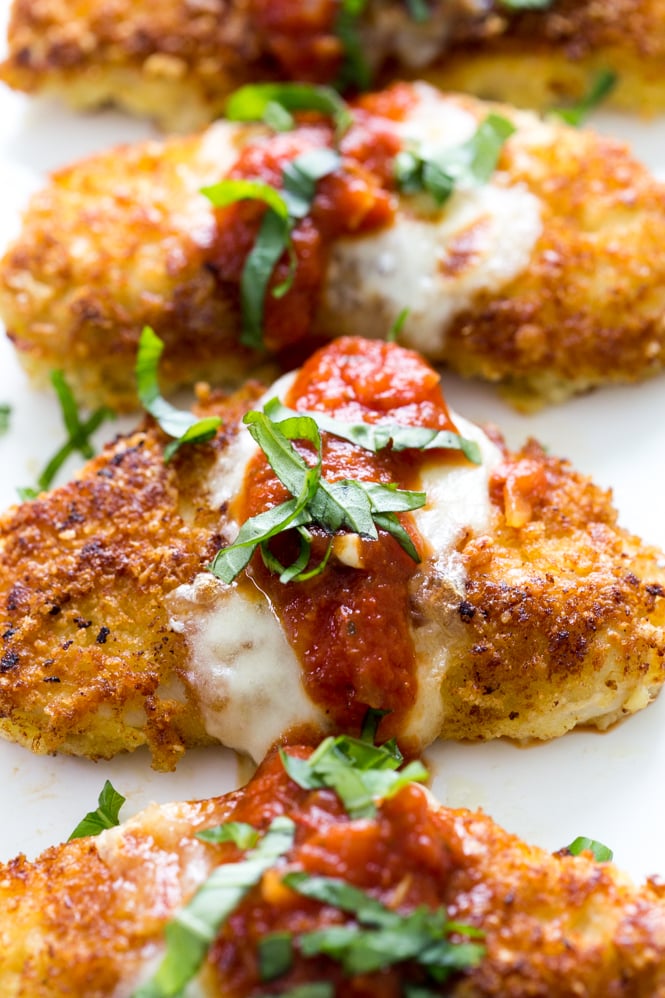
Chef's Top 6 Tips for Perfectly Crispy, Never-Soggy Chicken Parm
Chicken Parmesan, or "Chicken Parm" as it's affectionately known, holds a special place in the hearts and on the dinner tables of food lovers everywhere. It’s a dish that transcends cultural boundaries, celebrated for its comforting blend of crispy chicken, rich marinara, and gooey melted cheese. Yet, for all its popularity, many home cooks (and even some restaurants!) struggle with a common pitfall: the dreaded soggy chicken parm. The delightful crispness of the breaded chicken can quickly succumb to a deluge of sauce and cheese, turning a potential masterpiece into a disappointing, soft clump.
But fear not, aspiring culinary maestros! Achieving that elusive, perfectly crispy, never-soggy chicken parmesan is not a myth. It’s an art form guided by precise techniques and a few clever tricks that chefs swear by. We’ve distilled their wisdom into six essential tips that will transform your homemade chicken parmesan from good to utterly extraordinary. Get ready to impress your family and friends with a dish that rivals any Italian-American restaurant, boasting a symphony of textures and flavors that sing with every bite.
The Quest for Crispy Chicken Parmesan: A Culinary Challenge
The allure of chicken parmesan lies in its harmonious contrast: a golden, crunchy exterior giving way to tender, juicy chicken, all enveloped in a vibrant tomato sauce and a blanket of melted, bubbly cheese. It’s a dish that offers a compelling blend of fatty richness, umami depth, and a textural interplay that is simply irresistible. However, maintaining that critical crispiness can be a real challenge. The inherent moisture from tomato sauce and the heat from melted cheese are formidable adversaries to a delicate breaded coating.
Many restaurant versions often fall short, overwhelming the chicken with excessive toppings that lead to a less-than-ideal texture. But what if you could consistently achieve that "shrieking with crispiness" perfection right in your own kitchen? The secret lies not in elaborate ingredients, but in meticulous preparation and understanding how each element contributes to the final texture. Let's dive into the chef-approved methods that ensure your homemade
Restaurant-Quality Chicken Parmesan Crispy at Home, every single time.
Chef's Top 6 Secrets for Unrivaled Crispy Chicken Parm
Here are the critical techniques that will elevate your chicken parmesan from merely good to absolutely legendary.
1. Precision Pounding: The Foundation of Even Cooking
The journey to perfect chicken parmesan begins before the breading even touches the chicken. Unevenly thick chicken breasts lead to inconsistent cooking – thinner parts dry out while thicker sections remain undercooked. The key is to pound your boneless, skinless chicken breasts to an even thickness, ideally around 1/2-inch.
Why it matters: Pounding ensures that the chicken cooks uniformly and quickly, minimizing the time it spends in the oven or pan, which is crucial for preventing the breading from becoming soggy. Place your chicken breast between two sheets of plastic wrap and use a meat mallet or the flat side of a heavy pan to gently, but firmly, pound it out from the thickest part towards the edges. This creates a consistent surface for your coating and guarantees tender, juicy chicken throughout.
2. Masterful Seasoning: Flavor Beyond the Coating
While the breading adds flavor, the chicken itself needs to be perfectly seasoned. Don't underestimate the power of salt and pepper directly applied to the raw chicken breasts. This allows the seasoning to penetrate the meat, enhancing its natural flavor from within.
Chef's insight: Generously salt and pepper both sides of your pounded chicken cutlets. There’s no need to salt the flour or bread crumbs, as this can lead to over-salting the exterior and also potentially draw moisture out, hindering crispness. Focusing the seasoning on the chicken ensures a well-balanced taste profile without compromising the integrity of your crispy coating.
3. The Panko-Parmesan Power Duo for Supreme Crunch
Forget regular breadcrumbs if crispiness is your goal. Panko bread crumbs are a game-changer. Their larger, flakier structure creates a much airier and crispier coating. But the real secret weapon? Adding finely grated Parmesan cheese directly into your panko mix.
The dynamic duo: Mix your panko bread crumbs with a generous amount of finely grated Parmesan cheese. When fried, the Parmesan will melt slightly and then crisp up, adding an incredible depth of savory flavor and an extra layer of crunch. This simple addition elevates the texture and taste profile significantly. For more on this crucial step, check out
Unlock Crispy Chicken Parmesan: The Secret to Avoiding Soggy Meals.
4. The Critical Rest: A Stickier Situation
This often-overlooked step is surprisingly critical for coating adhesion. After breading your chicken, resist the urge to fry it immediately. Instead, let the breaded cutlets rest on a wire rack for about 15 minutes at room temperature.
The science behind it: This resting period allows the moisture from the chicken to be absorbed by the breading, helping the coating to "set" and adhere firmly to the chicken. This significantly reduces the likelihood of the breading separating or falling off during frying, ensuring your beautiful crust stays intact for maximum crispiness.
5. The Goldilocks Zone of Sauce and Cheese: Not Too Much, Just Right
This is perhaps the most crucial tip for avoiding sogginess. The temptation to pile on sauce and cheese is strong, but it's a trap! Drowning your beautifully crisp chicken in too much moisture and weight is the fastest route to a soggy mess.
The delicate balance: When assembling your chicken parmesan for baking, apply a very light layer of sauce directly on top of each fried chicken cutlet – just enough to flavor it, not to submerge it. Crucially, do NOT put any sauce underneath the chicken. For the cheese, use a thoughtful blend: fresh mozzarella for its melt, tangy provolone for depth, and more real Parmesan for its sharp, savory notes. A balanced amount ensures a bubbly, cheesy top without weighing down the crispy chicken underneath. If you crave more sauce, always serve it on the side.
6. The Inferno Finish: Hot Oven, Crispy Results
The final stage of cooking in the oven is where the magic truly happens, but only if your oven is ready. A scorching hot oven is essential for achieving that perfect finish.
Heat is your friend: Preheat your oven completely to a blazing 450°F (230°C). This high temperature serves multiple purposes: it rapidly melts and slightly browns the cheese, crisps up any remaining moisture in the breading, and heats the chicken through without overcooking it. A hot oven ensures a quick transformation, resulting in a perfectly bubbly, golden-brown crust and juicy chicken within, all before the breading has a chance to soften. Ensure your oven is fully preheated before your chicken goes in – patience here pays off.
Beyond the Basics: Elevating Your Chicken Parmesan Game
While the six tips above form the foundation of crispy chicken parmesan, a few additional considerations can further enhance your dish:
*
Quality Ingredients Matter: Start with fresh, high-quality chicken breasts. For your sauce, whether homemade or store-bought, choose a rich, flavorful marinara that isn't too watery. Fresh mozzarella, ideally low-moisture, melts beautifully without releasing excessive liquid.
*
Shallow Frying Technique: When frying your breaded chicken, use enough oil to shallow-fry (about 1/2 to 1 inch deep) at a consistent medium-high temperature (around 350-375°F or 175-190°C). Don't overcrowd the pan; fry in batches to maintain oil temperature and ensure even browning.
*
A Touch of Basil: Garnish your finished chicken parmesan with fresh basil leaves. Their vibrant green color and aromatic freshness cut through the richness of the dish, adding a bright, authentic Italian touch.
*
Serving Suggestions: While delicious on its own, chicken parmesan pairs wonderfully with a side of spaghetti tossed with a simple marinara, a fresh green salad, or crusty garlic bread to sop up any extra sauce.
Conclusion
Creating a perfectly crispy, never-soggy chicken parmesan at home is not just possible; it's entirely within your reach when you follow these chef-approved techniques. From the initial precise pounding and masterful seasoning to the crucial resting period and the strategic application of sauce and cheese, each step plays a vital role in achieving that coveted textural harmony. By embracing the power of panko, the savory depth of Parmesan, and the finishing touch of a super-hot oven, you're guaranteed to produce a chicken parmesan that's golden, crunchy, juicy, and utterly delicious. So go forth, embrace these tips, and transform your kitchen into an Italian-American trattoria where soggy chicken parmesan is a thing of the past. Your taste buds will thank you!